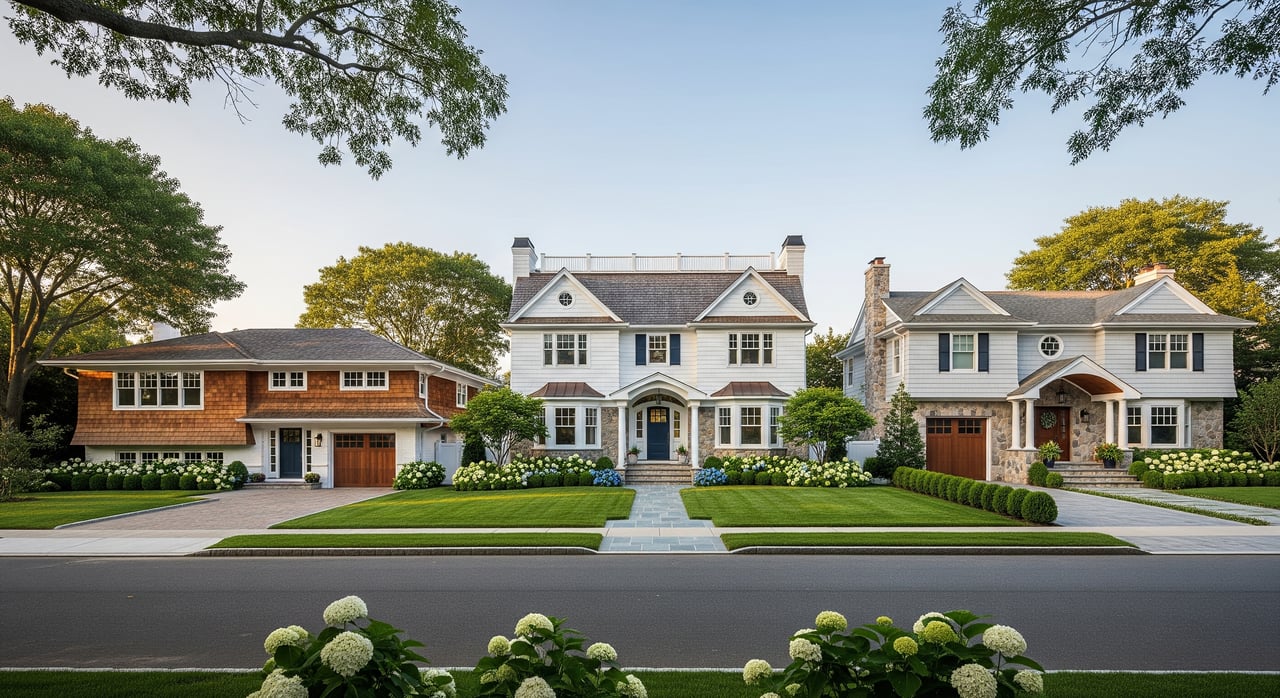
Trying to choose between a split-level, a Cape, or a ranch in Massapequa? You are not alone. Each style offers a different feel, flow, and set of trade-offs that matter when you are thinking about daily life, resale, and long-term plans. In this guide, you will learn how each home type lives, what to look for on tours, and what sellers should highlight in the Massapequa market. Let’s dive in.
Massapequa context that shapes your choice
Massapequa’s neighborhoods were built in waves from the postwar era through the 1970s and beyond. Many homes sit on suburban lots with private yards, which makes outdoor space and storage a big part of the lifestyle. Proximity to the Long Island Rail Road, shopping corridors, schools, and South Shore beaches often influences which layout works best for you.
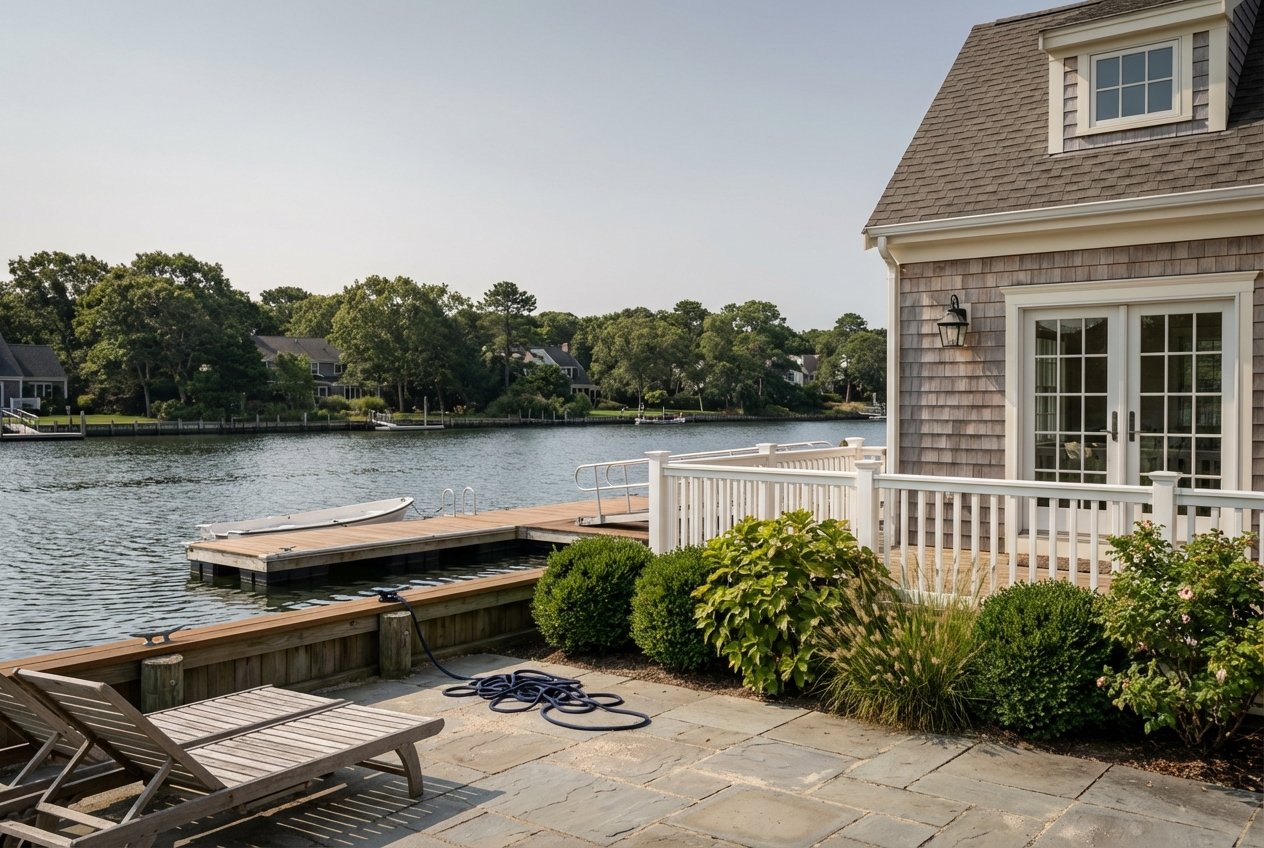
Coastal exposure is a factor in parts of town. Low-lying or bay-adjacent areas may be in FEMA-designated flood zones, which can change insurance needs and your comfort level. When you tour, it is wise to ask about flood status, drainage, and any mitigation upgrades.
Permits and records also matter. The Town of Oyster Bay and Nassau County handle permitting. Many homes have additions, dormers, or finished basements, so you should confirm permit history and Certificates of Occupancy. Since much of the housing stock is older, you may also see oil-fired systems, electrical updates, and heat pump or natural gas conversions.
Split-level homes: layout and appeal
What to expect
Split-level homes in Massapequa are common in mid-century neighborhoods. You usually enter on a mid landing with short stairs up to bedrooms and down to a family or den level. Many have a garage at the lower level, a partial basement, and compact rooms that are separated by those short runs of stairs.
Sizes often fall in the medium range, roughly 1,300 to 2,200 square feet above grade. Variations exist with additions and conversions. You will often see wood-frame construction, asphalt-shingle roofs, and attached garages.
Pros and trade-offs
- Pros:
- Good separation of living zones for work, play, and rest.
- Efficient use of compact lots, often with both formal and casual spaces.
- Garage and basement storage are common.
- Trade-offs:
- Multiple short staircases can be a challenge for small children or anyone wanting single-level living.
- Flow can feel compartmentalized, and opening up rooms may require structural work.
- Resale appeal varies by buyer preference.
Touring checklist for split-levels
- Test the short stair runs for soundness and secure handrails.
- Review lower-level ceiling heights and egress if spaces are finished.
- Check basement and garage areas for moisture and proper drainage, including driveway slope to the street.
- Ask for permits on any converted lower-level rooms or in-law setups.
Cape Cod homes: charm and potential
What to expect
Capes in Massapequa range from original 1940s to 1960s models to expanded versions. The classic layout is one to one-and-a-half stories with a steep pitched roof and dormered rooms upstairs. Many Capes have been enlarged with dormers or a full second-floor conversion.
Original footprints often measure 900 to 1,600 square feet above grade. Most are wood-frame, many with full basements. The upstairs tends to have sloped ceilings, which creates a cozy feel but can limit wall space.
Pros and trade-offs
- Pros:
- Cottage-like curb appeal with charming dormered bedrooms.
- Expansion potential with dormers or a full second floor.
- Often efficient to heat due to compact footprints.
- Trade-offs:
- Limited headroom upstairs and smaller closets are common in non-expanded Capes.
- Stairs to the half-story can be steep.
- Smaller original layouts may need reconfiguration to add flexibility.
Touring checklist for Capes
- Measure or note upper-floor headroom and how the finished square footage is calculated.
- Look at attic and roof ventilation, especially where steep rooflines meet dormers.
- Confirm permits for dormers or second-floor conversions and check flashing and insulation quality.
- Ask about window and door updates for better weatherization.
Ranch homes: single-level living
What to expect
Ranch-style homes are popular across Long Island and well represented in Massapequa. The single-level layout puts bedrooms, living areas, and the kitchen on one floor, often over a full basement. Variants include raised ranch or split-entry plans with a short set of stairs up and down from the entry.
Footprints often range from about 1,000 to over 2,000 square feet. Many include an attached garage and generous yard space. With a straightforward structure, ranches often adapt well to kitchen, bath, and flow updates.
Pros and trade-offs
- Pros:
- True single-level living that supports aging in place and easy daily routines.
- Clear paths to open up living areas with fewer structural hurdles.
- First-floor additions or sunrooms are often feasible.
- Trade-offs:
- Larger roof and foundation area can increase maintenance costs.
- Some plans feel sprawling without defined formal spaces.
- Older ranches may have compact kitchens or dated baths.
Touring checklist for ranches
- Inspect long roof runs and wall junctions for potential leak points.
- Check sound transfer between rooms and between the house and attached garage.
- If a first-floor primary suite is a goal, map plumbing runs and waste stacks for bath additions.
- For finished basements, verify permits, egress, and ceiling height.
Renovation and value adds that resonate
Many buyers in Massapequa prioritize projects that improve comfort, efficiency, and usable space. Here is how typical upgrades play out by style and scope:
- Creating an open-concept split-level: Often moderate to high complexity, since structural beams and stair rework may be needed. Plan for the potential relocation of HVAC or plumbing.
- Adding dormers to a Cape: A proven way to increase upstairs headroom and storage. Complexity is moderate to high due to roof work, insulation, and weatherproofing. Permits and energy code compliance apply.
- Reworking a ranch for accessibility: Adding an accessible primary bath or enlarging the kitchen is usually moderate in complexity. Plumbing access is often straightforward over the basement.
- Finishing a basement: A practical way to create flexible space across all styles. Success depends on moisture control, egress, insulation, and proper permits.
- Mechanical and energy upgrades: Converting to higher-efficiency heating or heat pumps, improving attic insulation, and installing newer windows are improvements that many Massapequa buyers value.
Always verify permits and Certificates of Occupancy for major interior remodels, dormers, finished basements, and any accessory spaces. This helps protect your financing, insurance, and resale value.
Which style fits your life
- Growing families: Split-levels and ranches both work well. Split-levels offer zoned living, while ranches offer single-floor convenience that can evolve with your needs.
- Downsizers and aging buyers: Ranch homes are often favored for one-level living. First-floor primary suites and accessible baths are a strong plus.
- Charm seekers and value builders: Capes can deliver character and future upside through dormers or a full second-floor build-out.
- Multi-generational households: Split-levels with finished lower levels can support flexible arrangements. Verify egress and legality for any in-law configuration.
- Investors and flippers: Capes and ranches are often straightforward to modernize, while split-levels can require more planning to achieve open flow.
Seller tips by style
General selling priorities in Massapequa
Buyers often care most about school district, commute, and neighborhood amenities. Add proximity metrics to your listing, such as minutes to the LIRR, local shopping, and beaches. If your property is near the bay or marsh, clarify flood status and any mitigation measures. Outdoor living, like decks and patios, photographs well and should be staged.
Split-level highlights
- Emphasize flexible living zones like a separate family room, play area, or home office.
- Showcase finished lower-level spaces with clear notes on permits and egress.
- Highlight storage and the garage. Stage mid-levels to show smooth flow between rooms.
Cape highlights
- Feature cozy dormered bedrooms and any expanded upper-floor headroom.
- Document dormer or second-floor permits and square footage. Include photos that show usable wall height.
- If you updated windows or insulation, share the benefits for comfort and efficiency.
Ranch highlights
- Lead with single-floor living and any accessible features, such as a first-floor primary bedroom or walk-in shower.
- Present finished basements as flexible space, and be clear about legal status.
- Capture outdoor living and yard space that complements the single-level lifestyle.
Quick home touring checklist
- Confirm the number of levels and note stair count and steepness.
- Ask for the age and service history of the roof, heating, AC, and hot water heater.
- Look for moisture signs in the basement and around windows.
- Check upper-floor headroom in Capes and basement ceiling height in split-levels and ranches.
- Verify location relative to potential flood zones and ask about flood insurance.
- Request permit history for additions, dormers, finished basements, or garage conversions.
Final thoughts and next steps
Your best home style is the one that supports how you live today and how you plan to live tomorrow. In Massapequa, that choice often comes down to how you value stairs, headroom, storage, and future projects, along with commute, schools, and outdoor space. Whether you lean toward the zoned living of a split-level, the charm and upside of a Cape, or the ease of a ranch, a focused tour and a clear plan will help you buy with confidence.
If you are weighing options or preparing to sell, you can get a local, low-stress game plan tailored to your goals. Reach out to Kerry Wolfson to schedule a consultation and make your next move with clarity and confidence.
FAQs
What is the difference between a split-level, Cape, and ranch in Massapequa?
- Split-levels have staggered floors with short stairs, Capes are one to one-and-a-half stories with dormered upper rooms, and ranches place all main living on a single level.
How does flood risk affect buying near the South Shore?
- Properties in lower-lying or bay-adjacent areas may fall in FEMA flood zones, which can affect insurance costs and due diligence, so ask about status and drainage.
Which permits should I verify before making an offer?
- Confirm permits and Certificates of Occupancy for finished basements, dormers, additions, garage conversions, and any accessory spaces through local records.
Are finished basements common, and are they always legal?
- Finished basements are common across all styles, but legality depends on egress, ceiling height, insulation, and permits, so always verify documentation.
Which home style is typically easiest to renovate?
- Ranch homes often offer the simplest paths to open layouts or accessible baths, while Capes and split-levels can require roof or structural work for major changes.