Thinking about selling your Massapequa Park home and wondering when to hit the market? Timing can influence how many buyers see your home, how quickly you go under contract, and the offers you receive. If you want a smooth sale and a strong result, the right season and a smart prep plan matter. This guide gives you the best listing windows, a month-by-month roadmap, and practical tips tailored to Massapequa Park. Let’s dive in.
Why timing matters in Massapequa Park
Massapequa Park follows a classic Long Island pattern: activity builds in late winter, peaks in spring, moderates through summer, then slows in late fall and winter. Regional research shows spring is the busiest season for buyer traffic and closings.
Local drivers support this pattern. Many buyers commute to NYC, so they prioritize move-in dates that align with work and school schedules. Families often aim to close in summer so children can start the new school year smoothly. Curb appeal is also strongest in spring and early summer, which helps your home show its best. Coastal weather and storm season can influence buyer timelines later in the year, along with insurance considerations.
Best months to list
Primary window: late April through early July. Buyer traffic typically peaks, curb appeal is high, and many families target summer closings.
Secondary window: early September through October. Buyers who paused in summer return to the market, and inventory can be a bit lighter than spring.
If possible, avoid late November through February. There are fewer buyers during the holidays and winter weather, though motivated buyers do exist.
Spring strength: April to early July
You benefit from peak showings, stronger offer activity, and sunny photos that highlight landscaping and outdoor spaces. This is especially helpful for homes with yards or outdoor entertaining areas.
Fall opportunity: September and October
You can still capture solid demand after summer vacations end. Curb appeal remains attractive with clean landscaping and crisp light. Inventory can be more manageable than spring.
Winter exceptions: November to February
You may face fewer showings, but serious buyers are still out. If you must list, pricing and presentation should reflect seasonal conditions. Keep walkways cleared and interiors bright and inviting.
Summer considerations: July and August
Activity can taper due to vacations and school calendars. Relocation and transfer buyers are still in the market, so timing open houses and showings strategically can help.
Month-by-month seller roadmap
Use this practical timeline to plan your prep and listing date. Adjust based on your target close and current market conditions.
January
- Start planning for a spring listing. Request contractor estimates, consider a pre-listing inspection, and get a pricing consultation.
- Begin decluttering and a deep clean. Gather recent utility bills and tax records.
February
- Complete bigger interior repairs while the weather is cool. Line up a stager or request staging guidance.
- Book professional photography for late March or April. Spring schedules fill early.
March
- Finish paint touch-ups and minor landscaping prep. Depersonalize and stage rooms.
- Finalize pricing strategy based on current local market data. Aim to list late March or early April if you want May or June offers.
April
- Ideal time to go live. Schedule exterior photos when lawns green up and shrubs bloom.
- Launch marketing, host a broker preview, and hold weekend open houses.
May
- Expect strong showings and offer activity. Maintain show-ready condition.
- Consider multiple open houses and accommodate evening showings for commuter buyers.
June
- Demand stays healthy. Monitor feedback and adjust pricing or terms if needed.
- Work toward closing before late summer if the buyer’s timeline allows.
July
- Traffic can slow, but motivated buyers are still active. Be strategic with open house dates around vacations.
- If you missed spring, early July can still target a summer close.
August
- Often slower. Use this month for polishing curb appeal, price improvements, or gearing up for a September relaunch if needed.
September
- A strong secondary window opens. List early to catch buyers returning after summer.
- Families and professionals often aim to settle before the holidays.
October
- Solid fall demand continues with fewer competing listings than spring. Keep an eye on storm forecasts when scheduling showings.
November
- Activity drops near Thanksgiving. Serious buyers remain, but expect fewer showings.
- Motivated sellers can still find success with appropriate pricing.
December
- Low overall activity, but buyers with job changes or year-end timelines shop now.
- Lean into warm staging and practical showings. Pricing should reflect seasonality.
Prep checklist for a faster sale
A few targeted steps can elevate your result and reduce surprises.
- Pre-listing inspection: Consider one 4 to 8 weeks before market to identify issues and complete repairs.
- Contractor lead times: Roofers and HVAC pros can book out 2 to 6 weeks in spring. Schedule early.
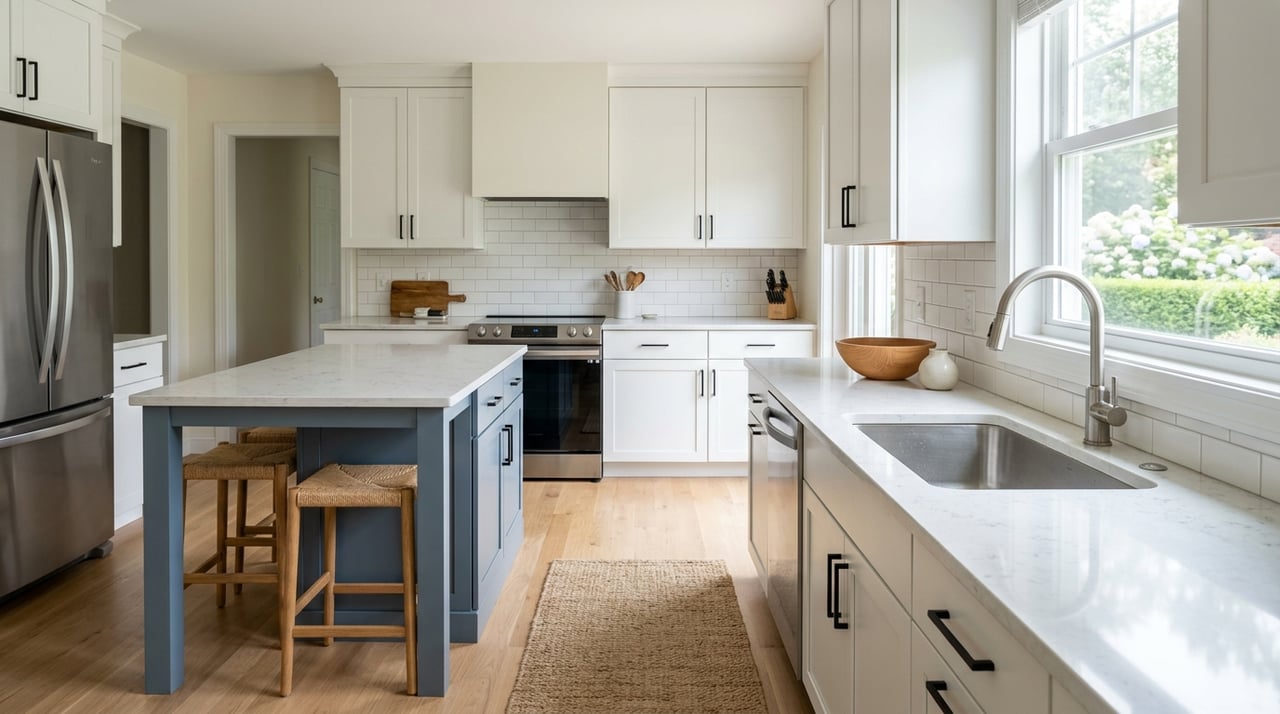
- Staging and decluttering: Allow 2 to 4 weeks for closets, garage, and high-impact rooms like the kitchen and living areas.
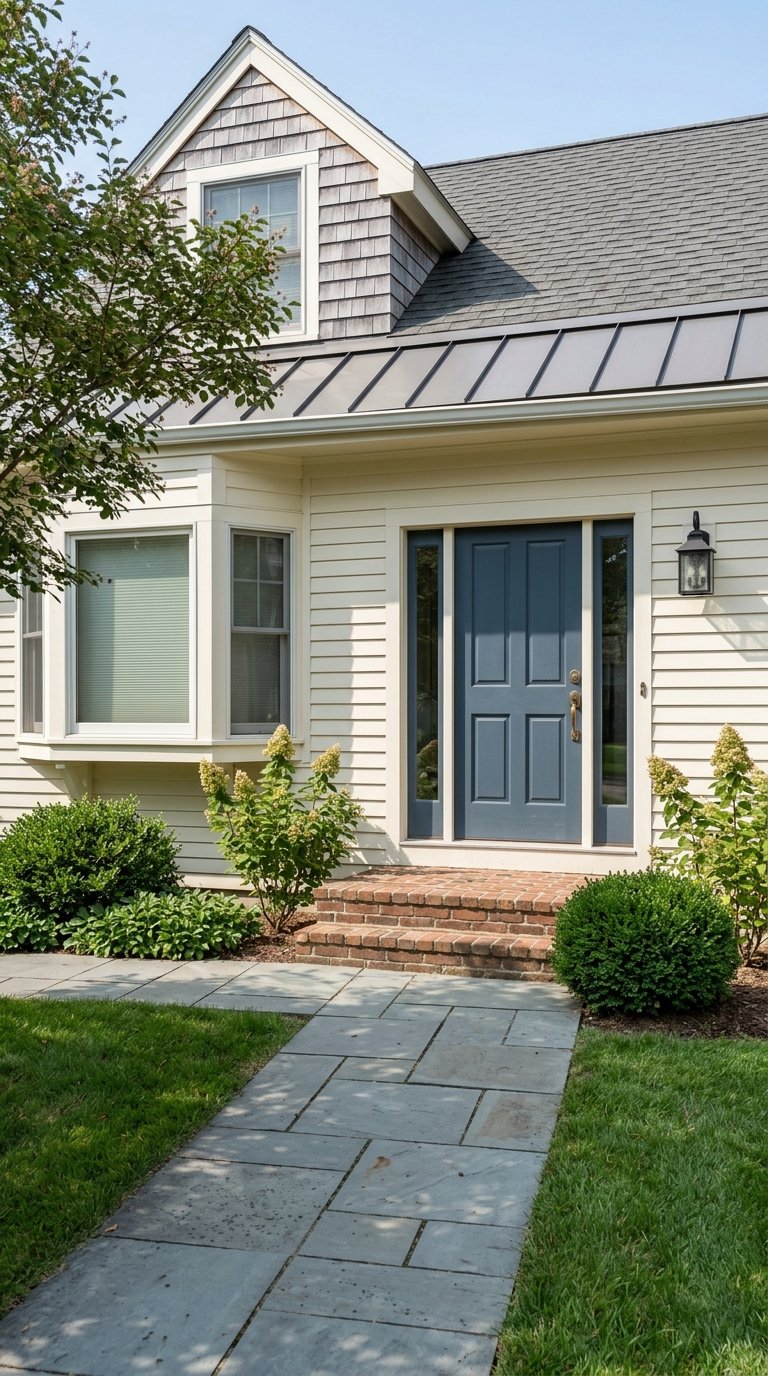
- Landscaping and exterior: Fresh mulch, trimmed shrubs, and power washing right before photos can boost curb appeal.
- Photography and video: Book a pro 2 to 4 weeks ahead during peak season. Time exterior shots for morning or late afternoon light.
- Showings strategy: Offer evening and weekend slots for commuter buyers. Focus on the first two weekends for open houses.
Coastal and insurance considerations
Parts of Massapequa Park are near tidal waterways. Flood zones and storm season can influence buyer timelines and financing. If your home is in or near a mapped flood zone, many buyers will want clarity on insurance requirements, elevation details, and any mitigation features. Spring and early summer often showcase waterfront lifestyle benefits with calmer weather and attractive visuals.
Plan ahead by gathering insurance info and any elevation certificates. Keep exteriors, docks, and decks well maintained so water views and outdoor areas shine on photo day.
Pricing and competition
Inventory can shift quickly across Long Island. Before you list, review the latest local market reports and align your pricing with active and recent comparable sales. The first two weeks on market are critical, so launch with a compelling price, polished marketing, and a clear showing plan.
If your timing is fixed
Not everyone can wait for spring. If you need to list in winter or late summer, focus on control points you can optimize.
- Use professional photography and strong lighting to brighten interiors.
- Price in line with current inventory to drive early traffic.
- Offer flexible showing windows, including evenings and one weekday open house.
- Keep snow and leaves cleared, and stage with warm textures and lighting.
- Be ready to negotiate terms besides price, such as a rent-back or flexible close.
Next steps for Massapequa Park sellers
If you are targeting a summer close, listing in late April through early July is often the sweet spot. Early fall offers a strong second chance with fewer competing listings. No matter your timeline, a thoughtful prep plan, clear pricing strategy, and polished presentation will help you attract more buyers and better offers.
Ready to map out your listing date and prep plan? Schedule a friendly strategy call with Kerry Wolfson to align your timing with your goals.
FAQs
What is the best month to sell a home in Massapequa Park?
- Late April through early July generally delivers the most buyer traffic and strongest offers in this commuter-friendly market.
Is fall a good time to list in Massapequa Park if I missed spring?
- Yes. Early September through October is a strong secondary window with returning buyers and still-solid curb appeal.
How does hurricane season affect Massapequa Park home sales?
- Storm season runs June through November and can create scheduling and insurance concerns for some buyers, which is why spring and early summer often feel more comfortable.
Should I do a pre-listing inspection before selling in Massapequa Park?
- Often yes. It helps you find and fix issues early, especially for older homes or properties near the water where roofs, systems, and exterior elements matter to buyers.
When should I book photography for a spring listing?
- Reserve a photographer 2 to 4 weeks in advance and aim for late April through June when landscaping looks its best.
Are Nassau County property taxes a big factor when selling?
- Buyers are tax sensitive, so have recent tax bills and any exemptions ready to help them evaluate total ownership costs.