When the forecast calls for a coastal storm, will your Massapequa home be ready? Living near the Great South Bay and our network of canals means you face real wind and flood exposure during hurricanes and nor’easters. You want practical upgrades that protect your home, your budget, and your peace of mind. In this guide, you’ll learn which renovations matter most here, how permits work, what typical costs look like, and smart ways to pay. Let’s dive in.
Why hurricane-ready matters in Massapequa
Massapequa’s South Shore setting exposes many homes to storm surge, tidal flooding, and wave action. You can visualize local inundation scenarios for your exact address using the NOAA Sea Level Rise Viewer to better understand potential storm-tide impacts. Explore projected flooding with NOAA’s viewer.
Heavier rain and sea-level rise are increasing baseline coastal flood risk in our region. Planning your upgrades with future conditions in mind helps you choose the right elevations, materials, and backup power options.
Map your risk first
Check your FEMA flood zone
Look up your property in FEMA’s Flood Map Service Center to see if you are in a Special Flood Hazard Area and to confirm your Base Flood Elevation (BFE). Your zone affects building requirements and flood insurance. Search your address on FEMA’s map.
Get or update an Elevation Certificate
If you do not have an Elevation Certificate, consider ordering one from a licensed surveyor. Lenders and insurers often require it, and you will need it to document mitigation work and verify finished-floor heights.
Understand how insurance is priced
FEMA’s Risk Rating 2.0 uses more site-specific factors. Elevation, distance to water, and mitigation steps can influence your premium over time. Many upgrades below also help reduce long-term insurance costs, especially when documented.
Renovations that deliver the most protection
Elevate utilities and critical systems
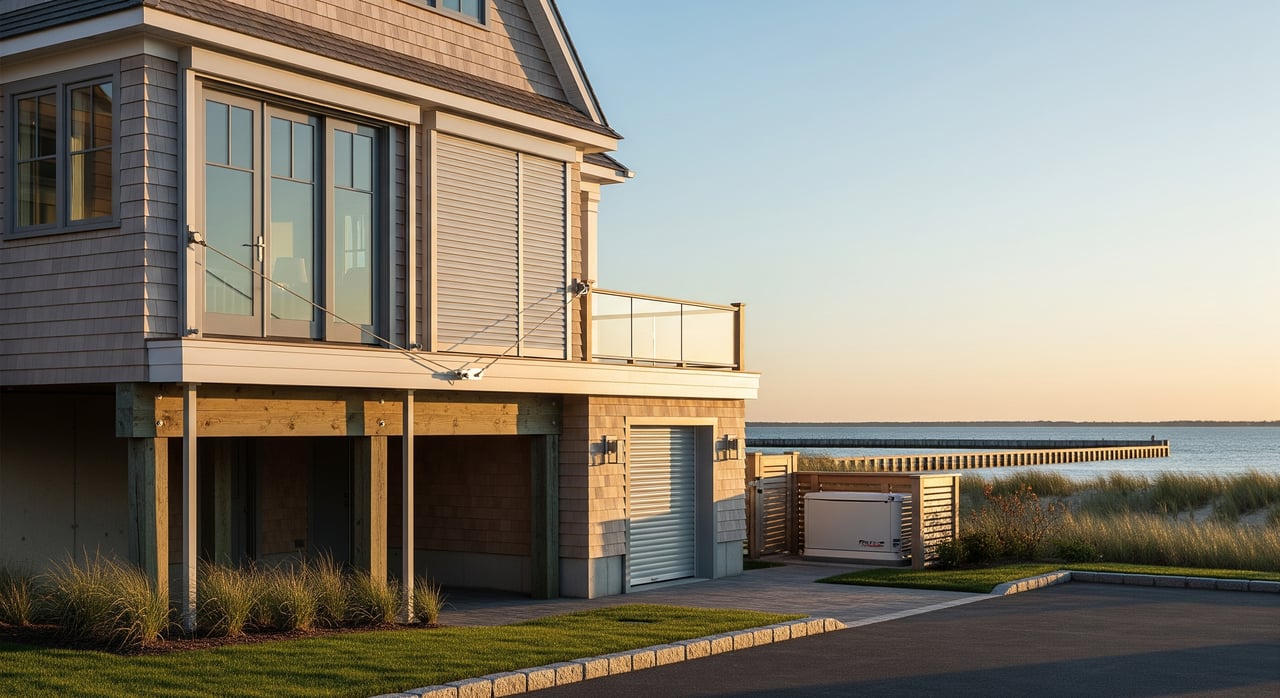
Raising mechanicals, electrical panels, HVAC units, water heaters, and fuel tanks above expected flood levels is a high-impact step. FEMA’s guidance outlines safe heights, anchoring, and service reconnection details. Review the utility-focused best practices in FEMA P‑348 for siting, quick‑connects, and equipment protection. See FEMA’s utility protection guidance.
Make ground-level areas flood-tolerant
For non-habitable ground floors, use wet‑floodproofing strategies: flood-resistant materials, flood openings that equalize water pressure, and breakaway walls where allowed. This reduces structural stress during surge and speeds cleanup. Browse FEMA-backed flood retrofit methods.
Add drainage, sump, and backflow protection
Install a reliable sump pump with a battery backup and a sanitary sewer backflow valve to reduce the risk of sewer backups during heavy rain and outages. Test these systems twice a year and after any service work.
Strengthen your roof and openings
High winds pry at weak points. Focus on roof-to-wall connections, roof deck attachment, and underlayment. Protect windows and doors with impact-rated products or professionally fitted shutters. Garage doors are a common failure point, so consider a wind-rated replacement or reinforcement kit. See what experts recommend for wind protection.
Consider whole-house elevation
Where feasible, elevating the lowest habitable floor above BFE plus freeboard offers the strongest flood protection and can improve insurability. Costs vary by height, foundation type, and reconnection scope, and they can be significant. Review regional elevation cost context.
Power that lasts through outages
Permanent standby generators with transfer switches can keep critical loads running. Safe siting, permits, and fuel planning are key. FEMA P‑348 also covers quick‑connect options and clearance guidance that help you prep for safe generator use. Check FEMA’s siting and connection tips.
Battery storage paired with rooftop solar can add resilience and reduce reliance on fuel deliveries. Incentive programs change, so check current offerings with NYSERDA and PSEG Long Island before you budget.
Waterfront lots: bulkheads and erosion
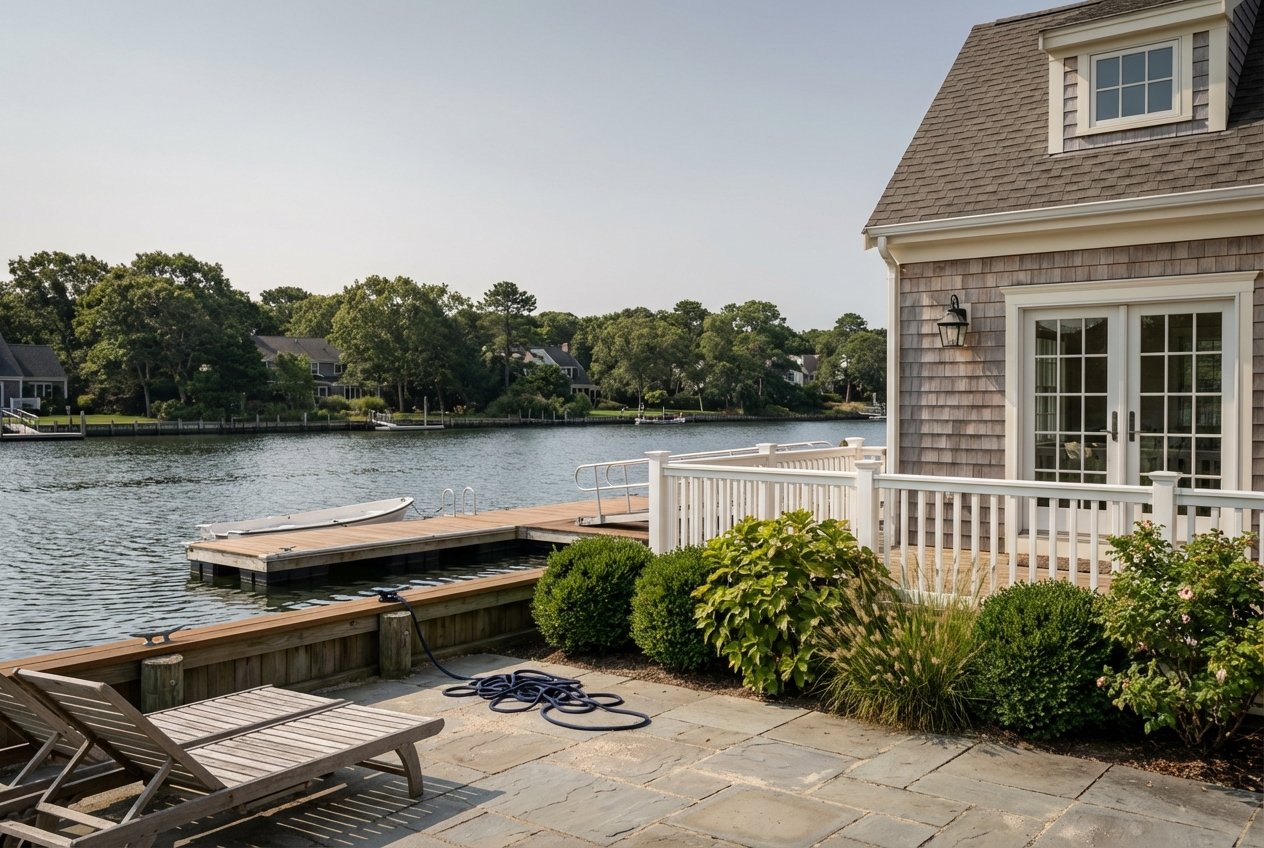
Shoreline protection like bulkheads and riprap can reduce wave and erosion impacts, but these projects require permits and careful design for future sea levels. Expect coordination with the Town, NYSDEC, and sometimes the Army Corps. You can see real examples of local approvals and scope in the NYSDEC Environmental Notice Bulletin. View recent Massapequa bulkhead permit notices.
Permits in the Town of Oyster Bay
Before you start, talk with the Town’s Building Division. There is an annex office in Massapequa, and staff can guide you on plan intake and floodplain requirements.
- Confirm your flood zone and whether you need a floodplain development permit.
- For shoreline work, coordinate early with NYSDEC and be prepared for public notice periods.
- For generators or meter moves, coordinate with PSEG Long Island on clearances and connection rules.
Contact the Town of Oyster Bay Building Division for checklists, community freeboard requirements, and inspection schedules.
What upgrades typically cost
Every site is different, so get multiple bids and a structural or geotechnical review where needed. These order-of-magnitude ranges can help you plan:
- House elevation: roughly tens of thousands to over $100,000 depending on size, lift height, foundation, and reconnections. See Nassau County elevation cost context.
- Impact window or shutter protection: impact windows are higher upfront but provide year‑round protection. Removable storm panels are a lower-cost option that you deploy before a storm. Compare common wind-hardening options.
- Garage door reinforcement or replacement: temporary bracing kits are budget-friendly. Wind-rated replacements cost more but address a major weak point in many homes.
- Flood openings and wet‑floodproofing: engineered flood vents run several hundred dollars each plus installation. Materials and spacing must follow FEMA technical bulletins.
- Shoreline bulkhead replacement: costs vary by length, materials, and access. NYSDEC notices show that even modest replacements can reach tens of thousands of dollars once design and permits are included. View a sample ENB notice.
Ways to pay for resilience
- Insurance and ICC coverage: Some NFIP policies include Increased Cost of Compliance funds that help pay to bring substantially damaged homes into compliance, such as elevation or demolition. Ask your insurer how mitigation could affect your premium under Risk Rating 2.0.
- FEMA mitigation grants: Programs like HMGP and Flood Mitigation Assistance have historically funded home elevations and floodproofing. Applications typically flow through your municipality as the subapplicant. Read the HMA overview.
- Program status can change: Federal hazard-mitigation funding and rules evolve. Confirm current program timelines with Nassau County or NYS emergency management.
- New York recovery programs: State programs have offered repair and mitigation support after declared disasters. Check current eligibility and deadlines with NYS Homes and Community Renewal (HCR).
- Energy incentives: NYSERDA and the local utility have offered incentives for storage, solar, and efficiency. Confirm current availability before counting on them in your budget.
Selling soon? Plan upgrades with disclosure in mind
New York now requires sellers to complete a Property Condition Disclosure Statement that includes flood-risk and flood-history questions. The change took effect March 20, 2024, and increases transparency for buyers. Review the updated disclosure law.
If you plan to list within the next year or two, consider upgrades that both reduce risk and help with buyer confidence, like documented utility elevation, flood openings, or a wind-rated garage door. Keep permits, invoices, and photos together. Clear records can support insurance discussions now and smoother buyer due diligence later.
Ready to prioritize the right projects for your home and your timeline? For local guidance on which upgrades can support your sale or protect your purchase, reach out to Kerry Wolfson.
FAQs
Massapequa flood risk: how do I find my zone?
- Use FEMA’s Flood Map Service Center to search your address, confirm your flood zone, and note the Base Flood Elevation. This helps you plan elevations and permits.
Hurricane upgrades: what are the best quick wins?
- Elevate or anchor utilities where feasible, add a sump with battery backup and a sewer backflow valve, and secure roof-to-wall connections and garage doors.
Impact windows vs shutters: which should I choose?
- Impact windows provide year‑round protection and convenience, while shutters and storm panels cost less upfront but require installation before each storm.
Bulkhead work on the canals: what permits are needed?
- Expect Town permits plus NYSDEC tidal wetlands or navigable waters permits, and sometimes Army Corps coordination. Start early to account for reviews.
Will elevation help my flood insurance?
- Often yes. Raising the lowest floor above the BFE and documenting it with an Elevation Certificate can reduce premiums under Risk Rating 2.0. Check with your insurer.